Wastewater surveillance program expected to detect Omicron spread in communities
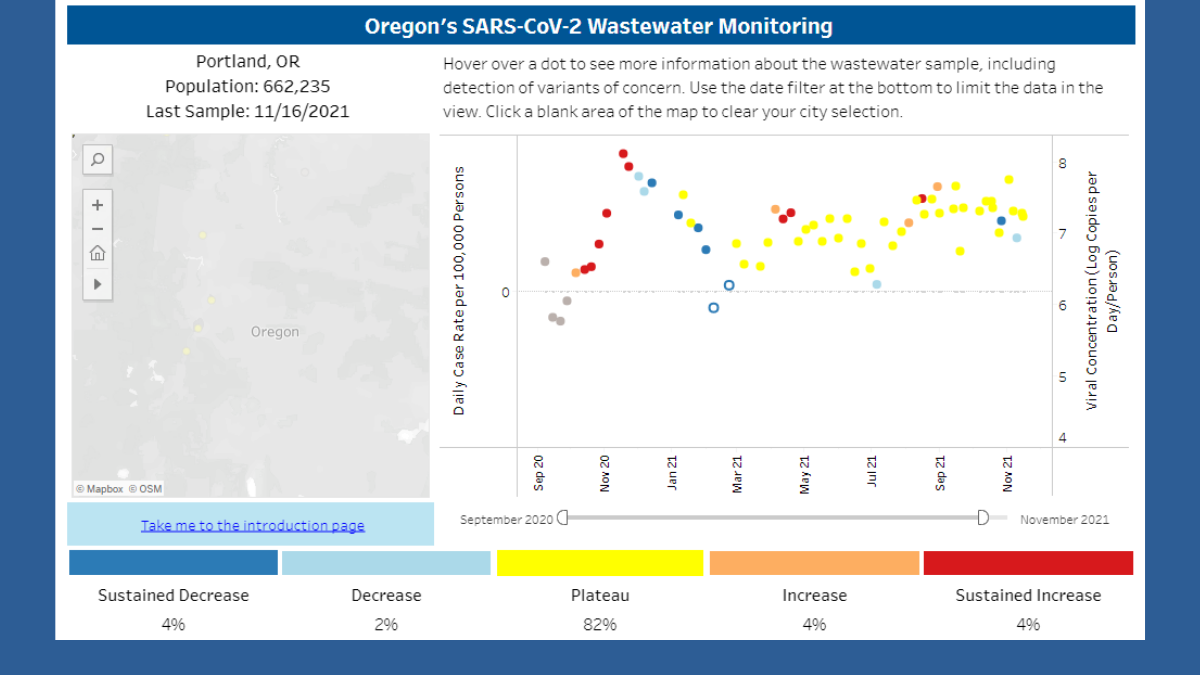
Scientists in Oregon are searching for the Omicron variant somewhere you may not expect. In collaboration with Oregon State University (OSU), Oregon Health Authority’s wastewater surveillance program monitors sewage for variants of the SARS-CoV-2 virus. The program launched in September 2020 tests wastewater for COVID-19 in more than 40 communities throughout the state, covering more than 60 percent of Oregon’s population. All positive wastewater samples are sequenced to determine trends (increasing, decreasing, plateau) and which variants are circulating in communities. 

Is it the holiday blues, or Seasonal Affective Disorder?

During the winter, the shorter days and lack of sunshine, coupled with the losses we may have experienced during the pandemic, can make us feel sad or even depressed. But how do you know if you’re just feeling the blues, or if it’s Seasonal Affective Disorder?

Madras vaccination clinic doubles as block party and resource fair

To improve access to vaccines and community resources, Thrive Central Oregon and Oregon Health Authority (OHA) recently held a Fiesta del Barrio – Community Block Party and Resource Fair – at an affordable housing property in Madras where many agricultural workers and their families live.

FDA expands authorization for COVID-19 treatment to pediatric patients, including newborns

On Dec. 3, 2021, the agency expanded emergency use of bamlanivimab/etesevimab to include all patients at risk of severe disease, including newborns. “Children under one year of age who are exposed to the virus that causes COVID-19 may be at particularly high risk for severe COVID-19 and this authorization addresses the medical needs of this vulnerable population,” said Patrizia Cavazzoni, M.D., director of the FDA’s Center for Drug Evaluation and Research.

Public health officials monitor Omicron and are prepared to respond

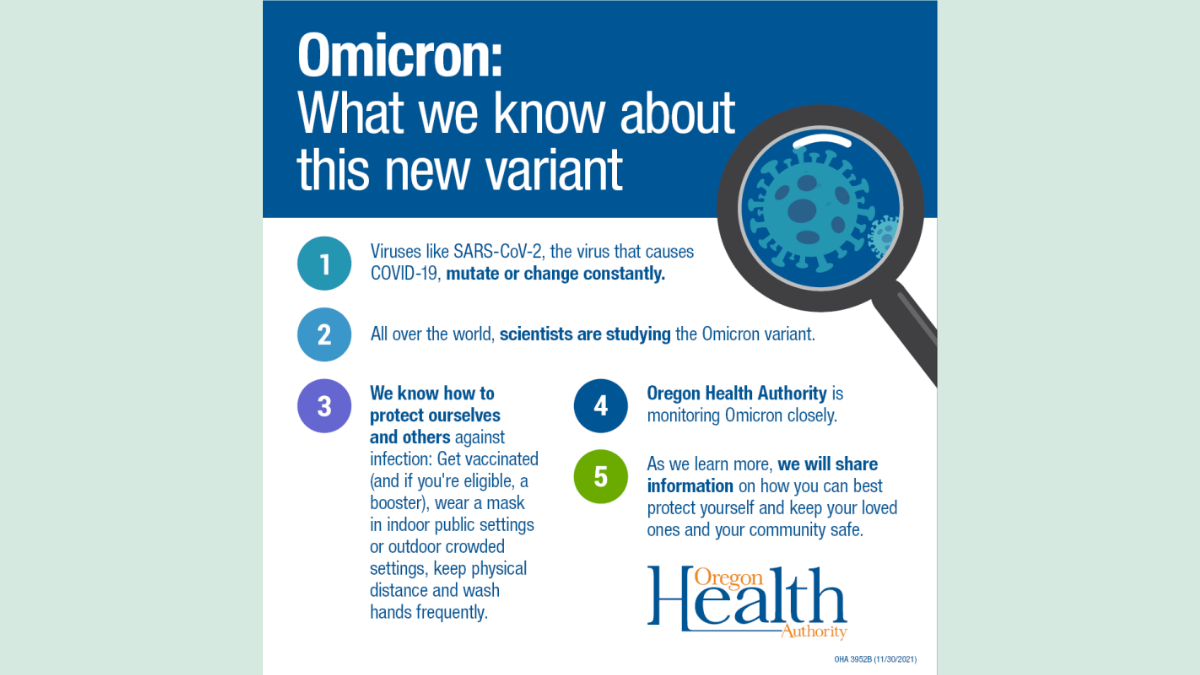
There is still much to learn about the Omicron variant of COVID-19. We do know that viruses mutate or change constantly. To help you better understand how Oregon is monitoring this new variant and for a broad look at where we are now, we turned to Dr. Thomas Jeanne, deputy state health officer and deputy state epidemiologist, and Dr. Paul Cieslak, medical director for communicable diseases and immunizations at Oregon Health Authority (OHA).

What misinformation looks like and tools to combat it

“A lie can travel halfway around the world while the truth is still putting on its shoes,” said Mark Twain. Or did he? Supposedly he said it in 1919, but Twain died in 1910. Attributing the quote to Twain is an example of misinformation.

What you need to know about myocarditis and pericarditis

As a parent, guardian or caregiver, worrying about the health and safety of our children seems to be ever-present since the first day they come into our lives. For families deciding whether or not to vaccinate their children against COVID-19, understanding more about myocarditis and pericarditis might be helpful when deciding what is best for your child.

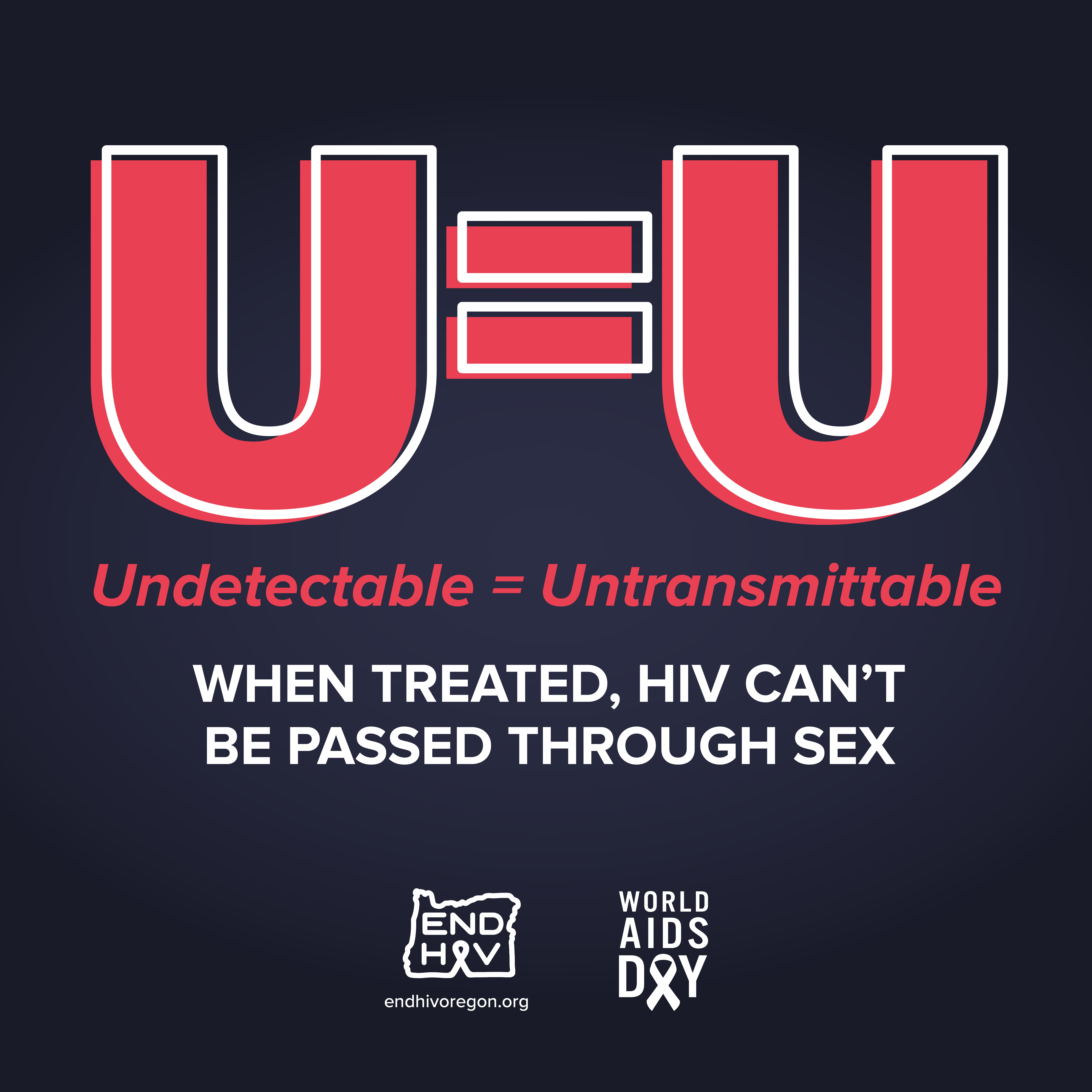
Nearly 80 percent of people in Oregon living with HIV cannot transmit it

World AIDS Day has been observed annually on Dec. 1 since 1988 to remember the more than 35 million people who have died from HIV-related illnesses, to advocate for those living with HIV and to raise awareness to prevent the spread of the virus.  

Oregon Choose Safe Places Program helps spread awareness about safe cleaning and disinfection with new social media toolkit

Over the past two years, we’ve heard how cleaning and disinfecting is good precaution to lower the risk of spreading COVID-19, especially in common spaces and school settings. But if not used properly, chemicals found in cleaning, sanitizing, and disinfecting products can be hazardous to health. Children are particularly vulnerable to potential health effects from chemicals in these products.

Hand washing and regular cleaning/disinfection for Ready Schools, Safe Learners

Every layer matters. Keeping your hands clean is one of the simplest, most effective ways to prevent the spread of any contagious infection, including COVID-19.