How keeping our distance helps students keep learning in-person this school year
Every layer matters. The more distance there is between people, the less likely that virus-filled droplets will pass from one person to another.
News & Stories for Oregonians
Every layer matters. The more distance there is between people, the less likely that virus-filled droplets will pass from one person to another.
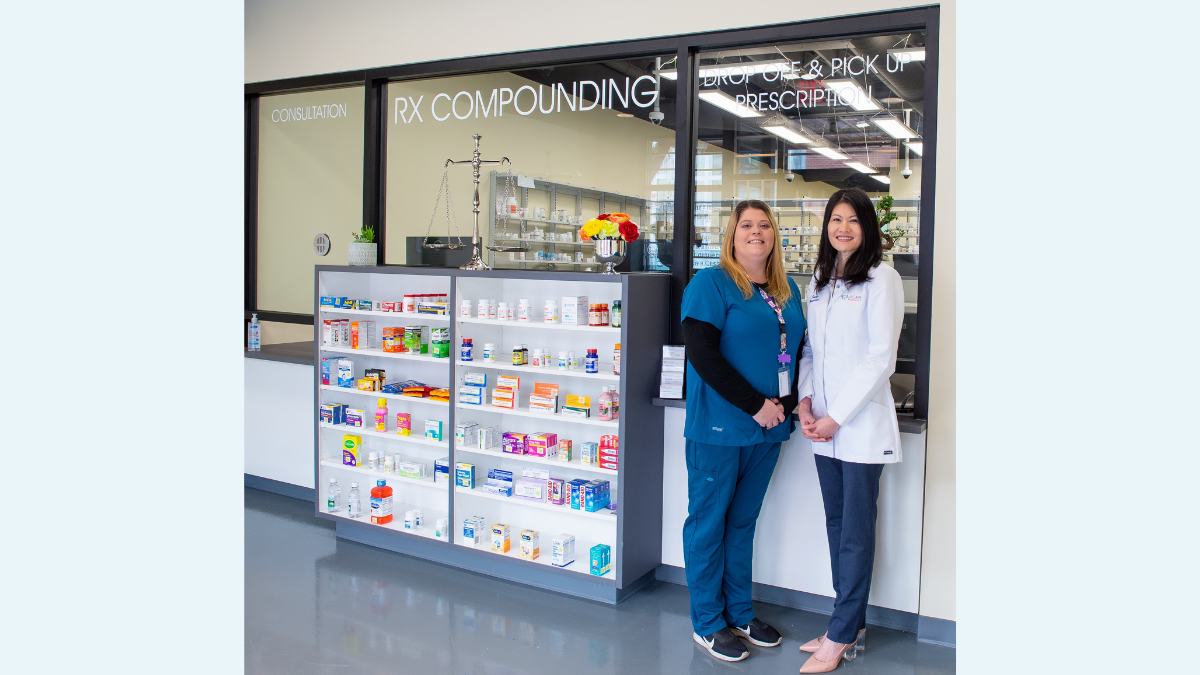
Long before COVID-19, pharmacists throughout Oregon played a crucial role in keeping people healthy. During the pandemic, they have been on the front lines providing useful and accurate information, prescription care and working tirelessly to help reach an 80 percent vaccination rate among Oregon adults.
The man approaching LoveOne volunteer Stephanie posed something of a predicament. He needed to do his laundry, but everything he needed to wash he was wearing. Searching her car, Stephanie managed to rustle up a complete set of clothing. Problem solved. And more. That one act snowballed and LoveOne now offers a collection of clothing to its neighbors in need.
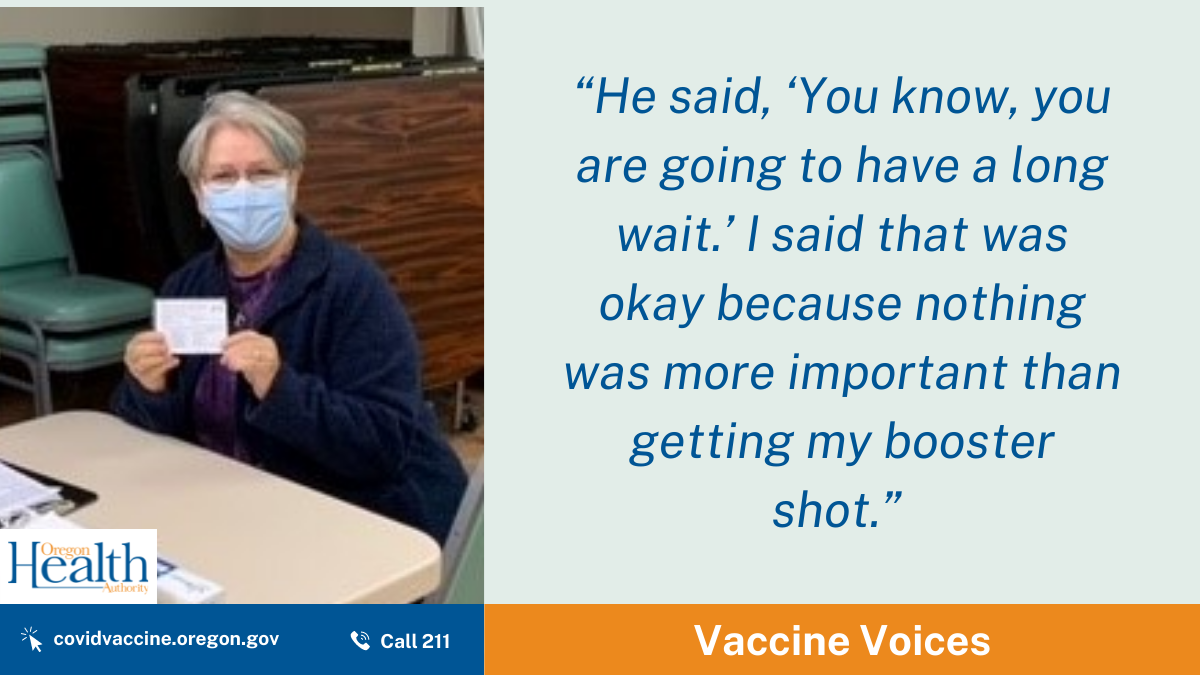
On a blustery day in October, Deborah “Debbie” Becker had just one mission—to get her COVID-19 booster. At 71, both Debbie and her husband Randy, 73, have underlying conditions and are committed to protecting their health. But it wasn’t looking good.
We know every layer matters, but vaccination against COVID-19 is still the strongest protection available. This is why COVID-19 vaccinations are mandated for all staff, contractors and volunteers working at or for Oregon schools and strongly recommended for all children ages 12 and up.
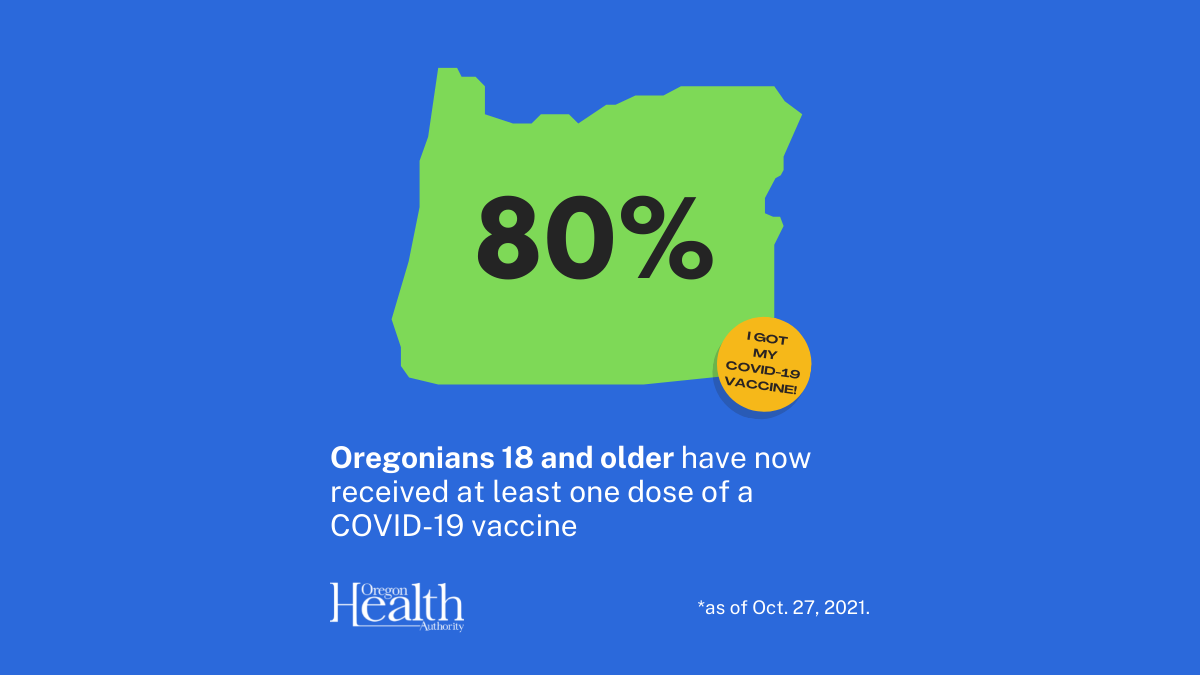
As of today, 80% of people 18 and older living in Oregon have had at least one dose in their vaccination series against COVID-19, according to the Centers for Disease Control and Prevention (CDC). That’s 2,681,267 people in Oregon who are now more protected against COVID-19.
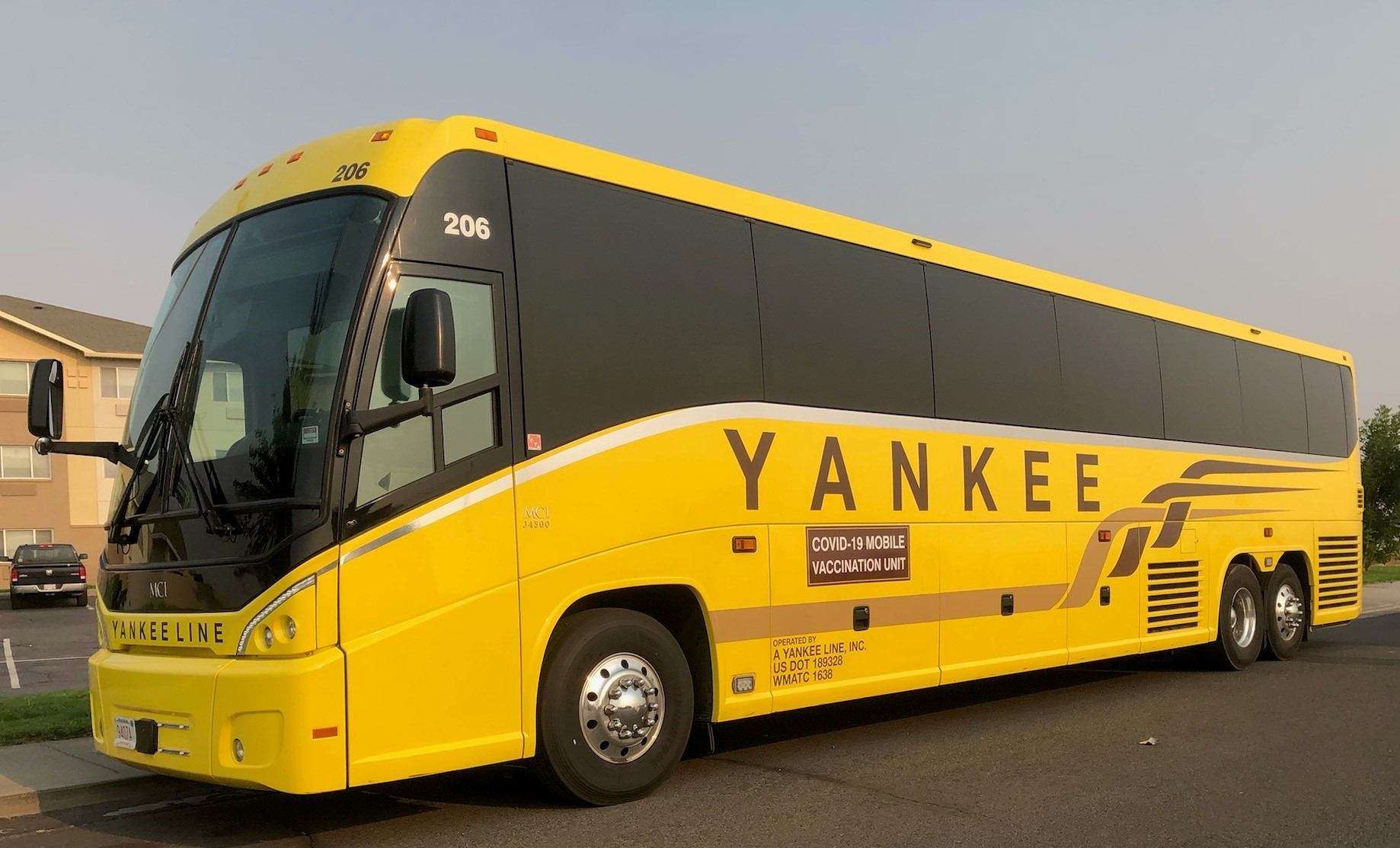
To some it may look like just another tour bus, but to those awaiting it, the big yellow rig is a ray of brightness in a world that sometimes seems to have run amok. Which may explain why no one working and volunteering on the FEMA Mobile Vaccination Unit (MVU) is the least bit surprised when there are tears.
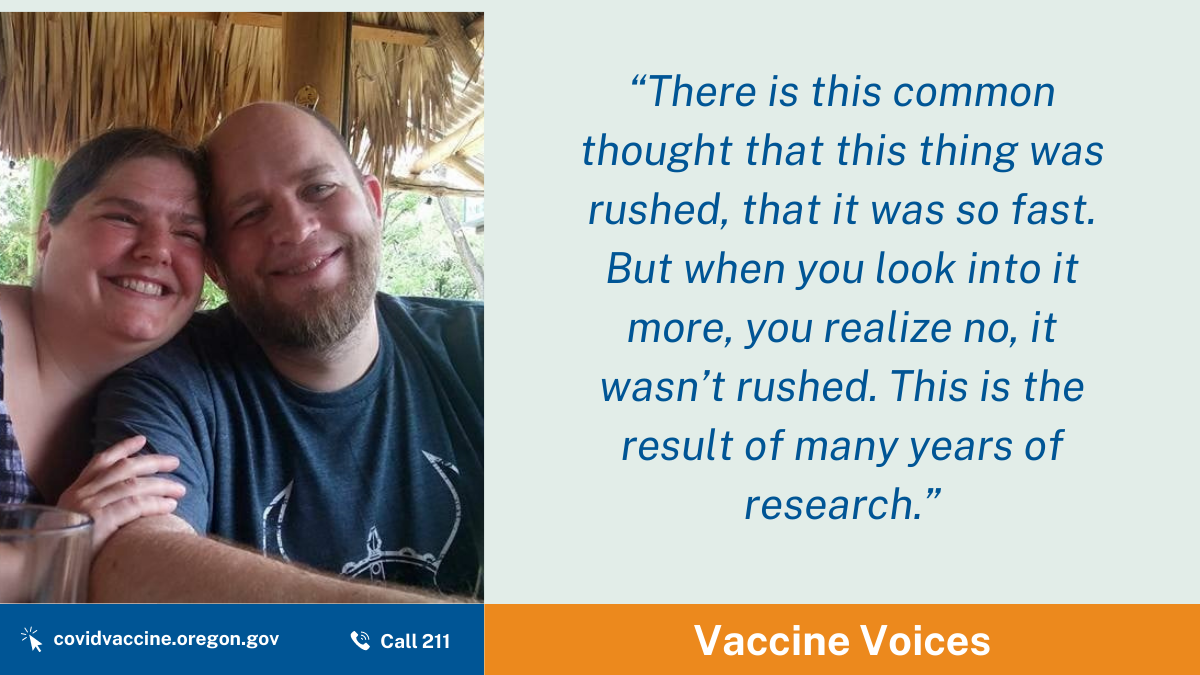
Crystal and Ron Phipps of Eugene did a lot of research and had many thoughtful discussions before making the decision to have their 13-year-old daughter, Emma, vaccinated.
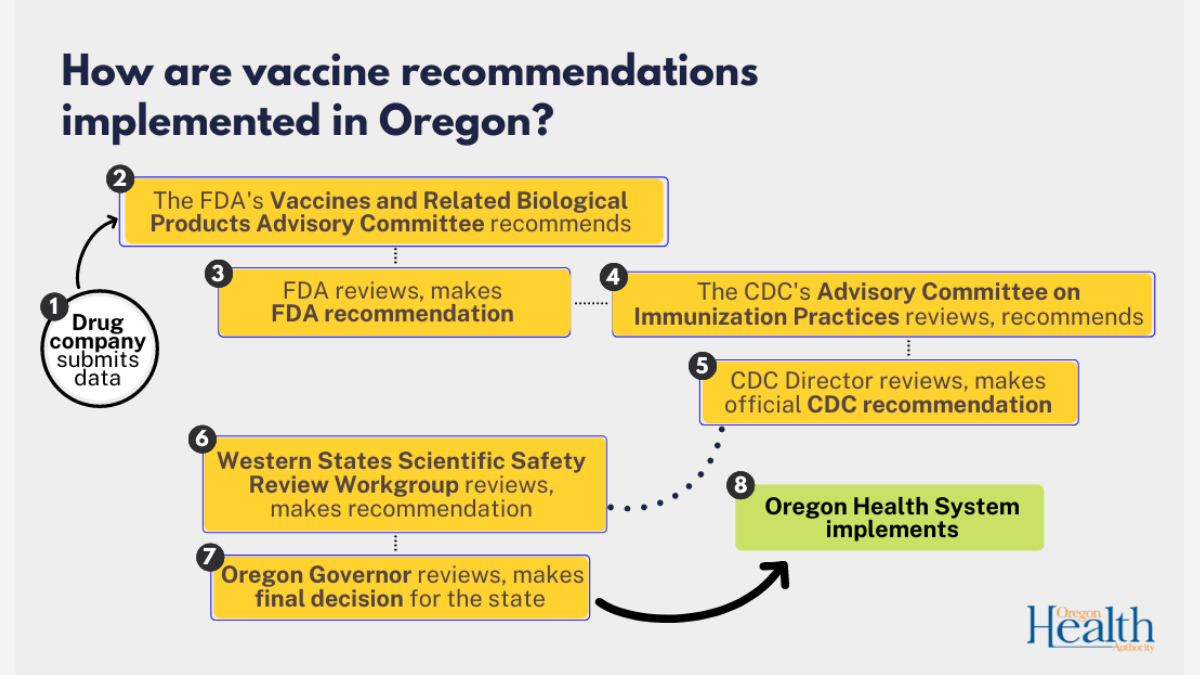
Today, the U.S. Food and Drug Administration (FDA) Vaccines and Related Biological Products Advisory Committee (VRBPAC), a group of medical experts, recommended Emergency Use Authorization (EUA) for administration of the Pfizer COVID-19 vaccine to children ages 5 to 11. The Pfizer vaccine for this age group is a smaller dose (0.2 mL) than the Pfizer vaccine for ages 18+ (0.3 mL).
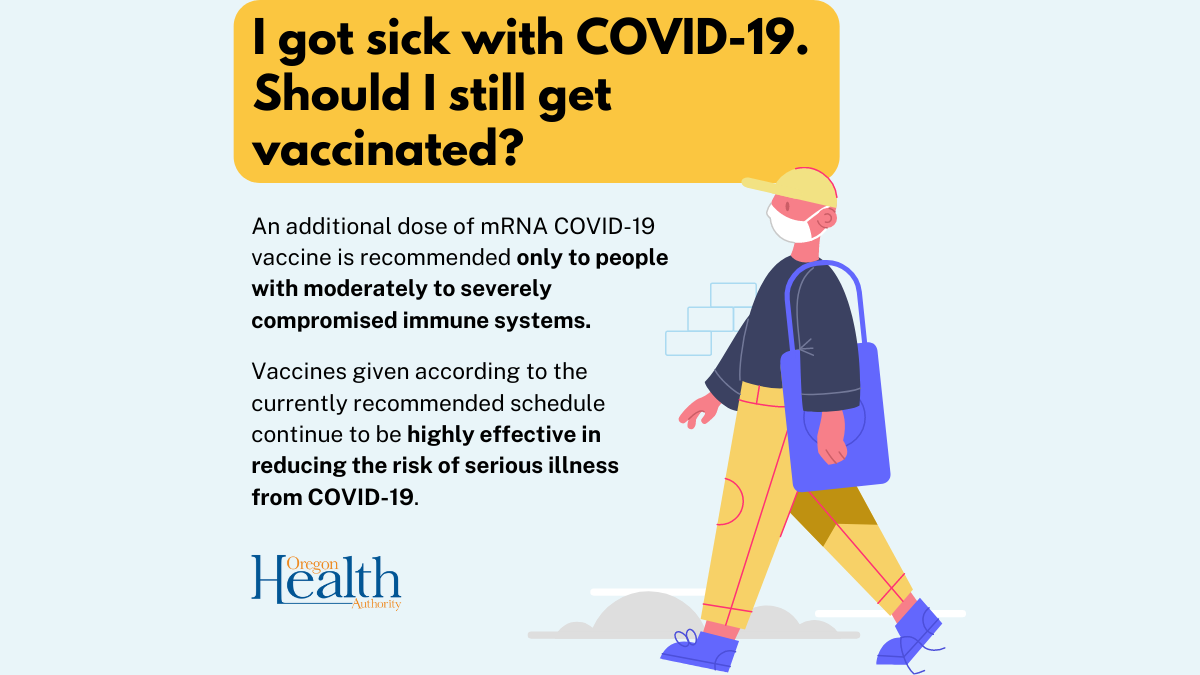
If you have had COVID-19, you may wonder if you need to get a COVID-19 vaccine. People infected with COVID-19 produce antibodies that offer protection (“natural immunity”) from future exposures. However, not everyone builds the same immune response, and research is not yet clear on how strong, or for how long, protection from natural immunity lasts. What is clear is that immunity wanes over time, and vaccinations after infection offer improved protection.